


Middle East conflict may end, but energy crisis will drag on: IEA chief explains


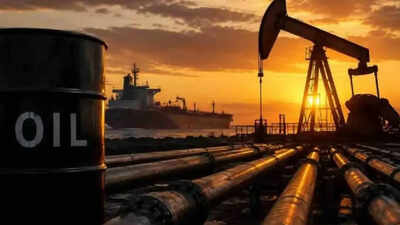
With oil prices edging towards $120 a barrel and winter adding to concerns over fuel supplies, the global energy crisis could outlast the Iran war itself.International Energy Agency (IEA) executive director Fatih Birol has warned that energy markets are unlikely to return to their pre-war conditions in 2027, urging governments and businesses to put energy security first.Speaking at the Singapore International Energy Week conference on Monday, Birol said that the conflict, which began in late February, had upended expectations of a surplus in the energy market this year. Instead, disruptions to global energy flows have tightened supplies and pushed up oil benchmarks and refined fuel prices.“I am afraid I don’t see any credible pathway that the markets will go next year, where we were before this war has started,” Birol said.He called on countries and companies to prepare for a prolonged period of uncertainty, with energy security taking priority while they also consider what comes next.“So therefore, we all need to get prepared, taking the energy security as a number one priority in our government, business world, but without forgetting what is the next chapter for the countries and for companies that are all here today,” he said.
Oil prices near $120 a barrel add to economic pressure
The pressure on oil markets has already been visible in prices.More Houthi attacks in Saudi Arabia sent Brent crude futures soaring to $117 a barrel on Friday, their highest level in nearly six months. Prices eased to $115 per barrel on Monday but still remained about 59% above their pre-war level.“Oil prices are flirting with $120 a barrel and the prices for products are even much higher,” Birol said.While he declined to predict where oil prices would go next, he warned that costs at these levels were becoming a major burden for several economies.“I can tell you that the current price of oil is, for some countries, for example in Europe, maybe not so high and affordable. But in many parts of the world, having almost $120 oil prices is having a major impact on trade deficits.”
Winter demand and refinery maintenance threaten fuel supplies
Oil is not the only concern. As winter approaches, Birol is also worried about the availability and cost of refined products, particularly diesel, which is used for heating in parts of the West.Demand for diesel typically rises during the colder months, just as several refineries are scheduled to undergo maintenance, adding another pressure point for fuel markets.“I am worried on top of that for refined products because we are entering…winter season. Some parts of the world, where typically diesel demand goes high and several refineries are going through maintenance period.”
Europe faces a difficult winter
Europe, meanwhile, faces a difficult winter on the gas front. Countries have decided to cut imports of Russian gas, while the Iran war has added to the strain by disrupting gas exports from Qatar and the United Arab Emirates.“In Europe, we are facing a tough winter because European countries have decided to cut gas imports from Russia and with the additional problem now rising from the Iran war, namely Qatar and the Emirates not being able to export gas as they were before, will put significant pressure on gas markets.”The energy crisis could also give nuclear power a fresh push. Birol expects a “strong comeback” for the sector as countries grapple with the current situation. The IEA’s recent survey found that 90 gigawatts of nuclear power capacity was under construction, the highest level in the past four decades, he said.