


It is a truth universally acknowledged that a zombie in possession of brains must be in want of more brains.
Published a little over a century after its source of inspiration, Seth Grahame-Smith’s Pride and Prejudice and Zombies (2009) retains the original characters and narrative but replaces some discussions of yearly allowances and the size of estates with talk of katanas and the undead.
While we cannot be sure what author Jane Austen (1775-1817) would have made of the Bennet sisters getting trained by Shaolin monks, as one Goodreads review puts it: “Fans will either think this book is brilliant or are already setting fire to Seth Grahame-Smith’s lawn.”

As Janeites around the world celebrate the Regency author ahead of her 250th birthday this December, her modest but mighty body of work has not only endured, but evolved, lending itself to myriad adaptations, spin-offs, memes and even counting books for toddlers (two rich gentlemen, five sisters, and so on).

In all likelihood, you would have first encountered Austen in the classroom or because an adult in your life wanted you to be ‘well read’. I first heard of her when a slightly older, much cooler family friend confidently told me that “Just as every man can quote from The Godfather, every woman can quote from Pride and Prejudice.” It was a while before I realised what an untrue and gendered statement that was, but I forgave her. After all, she had introduced me to Austen.
Attention Janeites: what to do to get your Austen fix
Attention Janeites: what to do to get your Austen fix
| Video Credit:
Surya Praphulla Kumar
The statement set me off in search of the book. I still remember the look of surprise on the face of Pazhani, the proprietor of Easwari Lending Library in Chennai, when I handed it over to him to check out. Up until that moment, my main preoccupation in life was keeping the many rows of Mills & Boons in steady rotation.
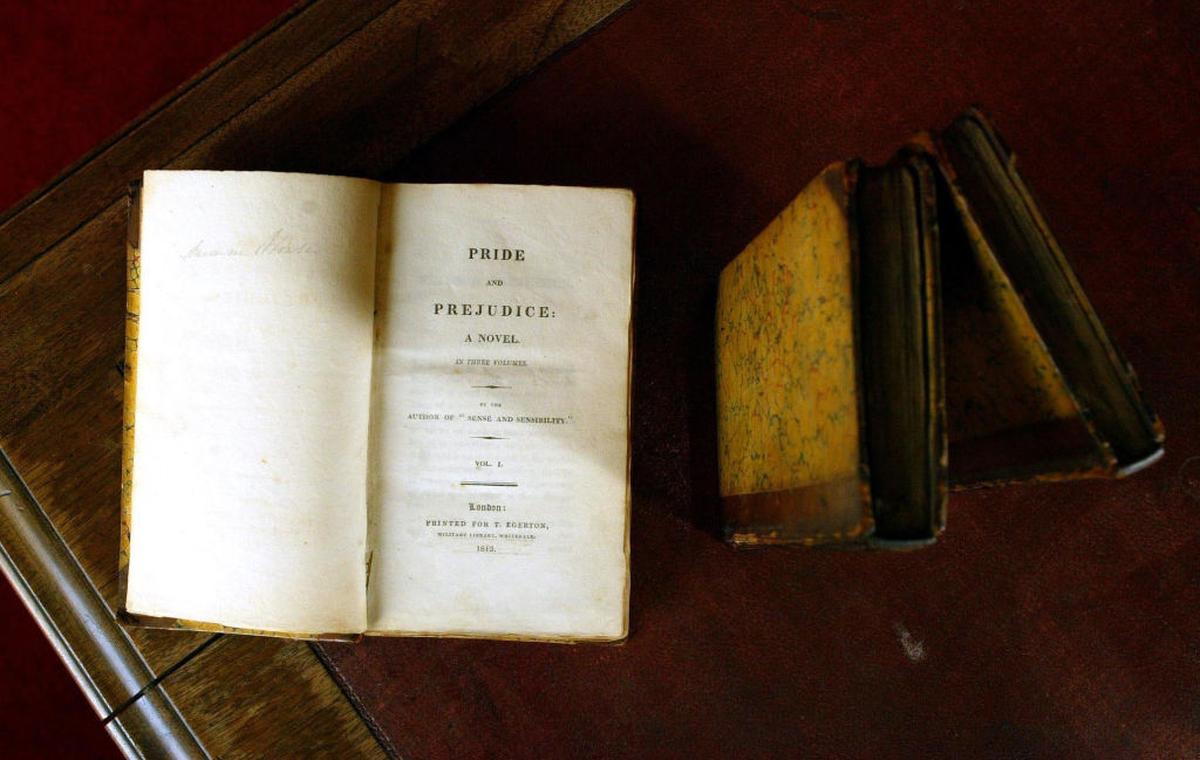
Rare copies of the first edition of Jane Austen’s Pride and Prejudice.
| Photo Credit:
Getty Images
Life-altering legacy
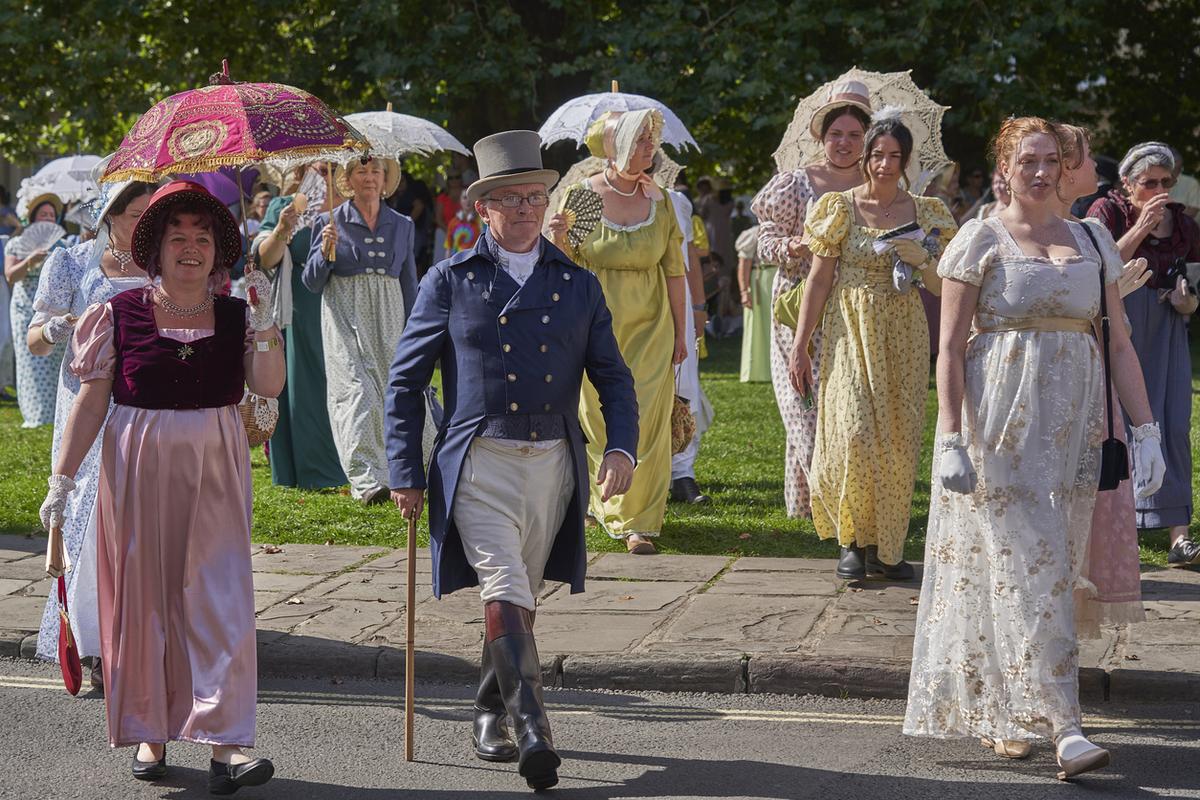
People dressed in period costume take part in the annual Jane Austen Festival in Bath, England.
| Photo Credit:
Getty Images
It was with the intent of keeping her away from such romance novels that Radhika Sathe Mantri’s mother steered her towards Austen. The special educator and co-founder of Cosy Nook Library in Bengaluru is a self-proclaimed super fan, and remembers her mother saying, “Here is something that will change your life.”
“And it did,” she says.

Radhika Sathe Mantri, special educator and co-founder of Cosy Nook Library in Bengaluru, is an Austen super fan.
Mantri has been ‘obsessed’ with the writer and her body of work since then, reading and rereading the novels and watching all the adaptations. “I even sat down and annotated my copy of Pride and Prejudice while watching the 1980 BBC version starring David Rintoul as Mr. Darcy. Did you know it’s the closest to the original text? The Colin Firth one is quite massified,” she says, quickly adding that she still loves it.
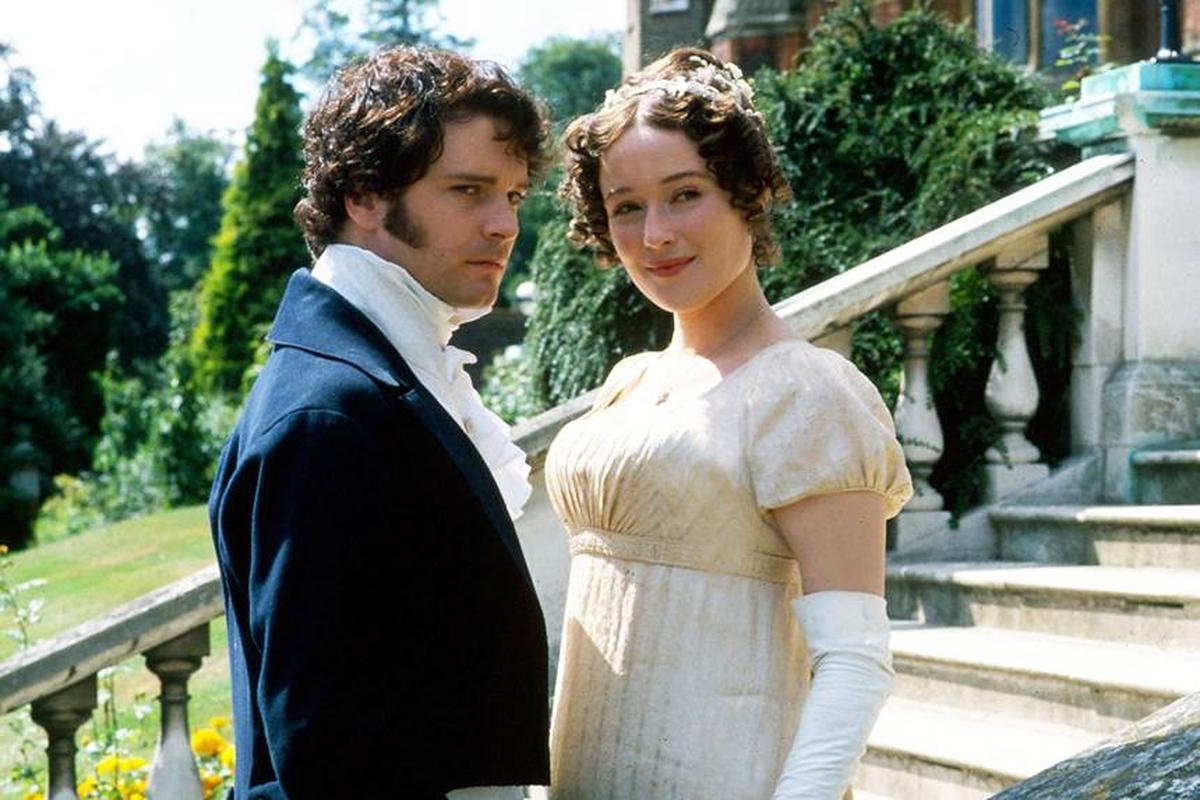
A still from the 1995 Pride and Prejudice TV drama, starring Colin Firth and Jennifer Ehle.
Nidhi Bhandari, an undergraduate student, first made an attempt at reading the classics when she was 12. “I started with Moby Dick but I couldn’t relate to it at all,” she tells me. “But when I read Austen, all the day-to-day matters of life that are usually dismissed — friendship, finding love, and gossip — she treated all of these seriously, validating them for me and my friends.”
This need for validation is something that came up in my conversation with writer, translator, and critic Meenakshi Bharat. The retired professor taught Austen to Honours students at Sri Venkateswara College, University of Delhi, for many years.

Writer, translator, and critic Meenakshi Bharat
“Amongst my undergraduate students, the girls would instinctively take to Jane Austen, but the boys would smile and stay silent. If I asked them what they thought about it all, they would respond that the heroes looked silly. It appeared initially, as if going along with the ‘romance’ went against their ‘male’ instincts,” she tells me over a Zoom interview. Bharat has a keen interest in film adaptations and started using them as a way to bring her students closer to Austen’s work.
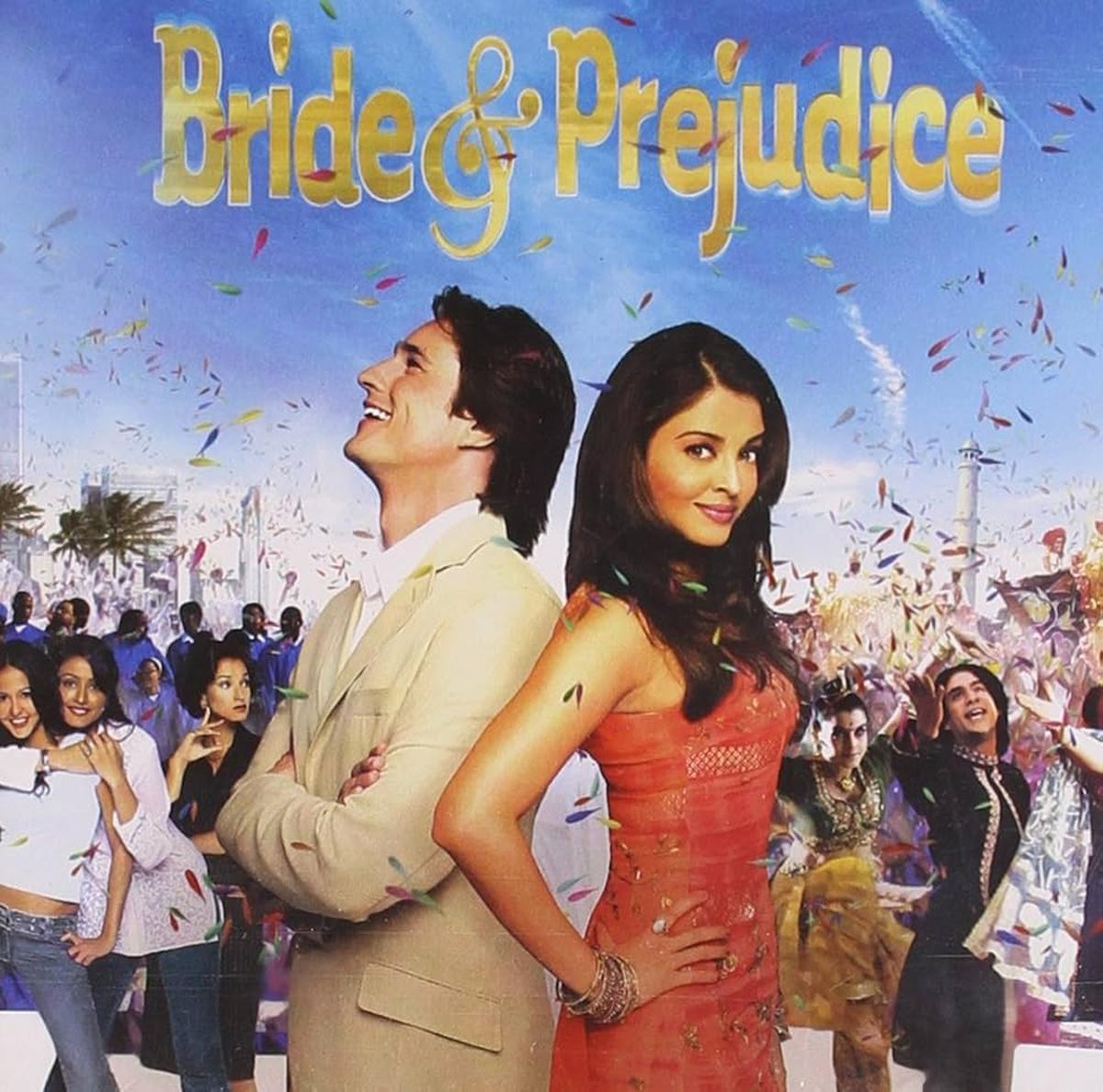
She says, “When we watch Gurinder Chadha’s Bride and Prejudice (2004), which transposes Austen to an Indian milieu, they feel ‘okay, this is my world’. And they start seeing that Austen has relevance to their lives; that she has something significant to say about life’s choices at the personal and social levels; that her works give direction in this globalised scenario; that her directions are emotionally, socially and economically sound. That’s validation!”
Money and marriage still matter
Some of us arrive at Austen’s work through these adaptations, without even realising they are based on her books. Bhandari recalls reading Emma and feeling a jolt of recognition. “I had seen Clueless (1995) and Aisha (2010), and not realised they were based on a book at the time.”
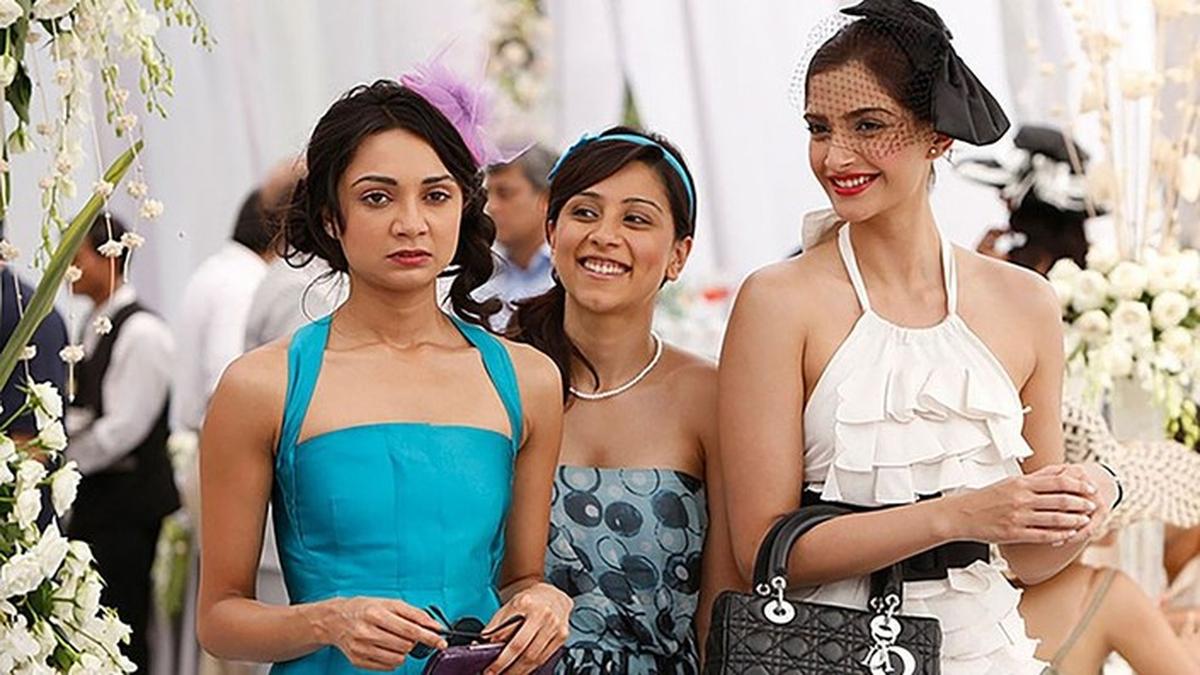
A still from Aisha (2010), an adaptation of Jane Austen’s Emma.
Clueless, which turns 30 this year, came up in my conversation with novelist Mahesh Rao, whose Polite Society sets Emma in Lutyens’ Delhi. “Clueless is so sharp and clever in the way it transposes Austen to Beverly Hills. There’s really no one more obsessed with popularity and who is in and who is out than high school students,” he says.
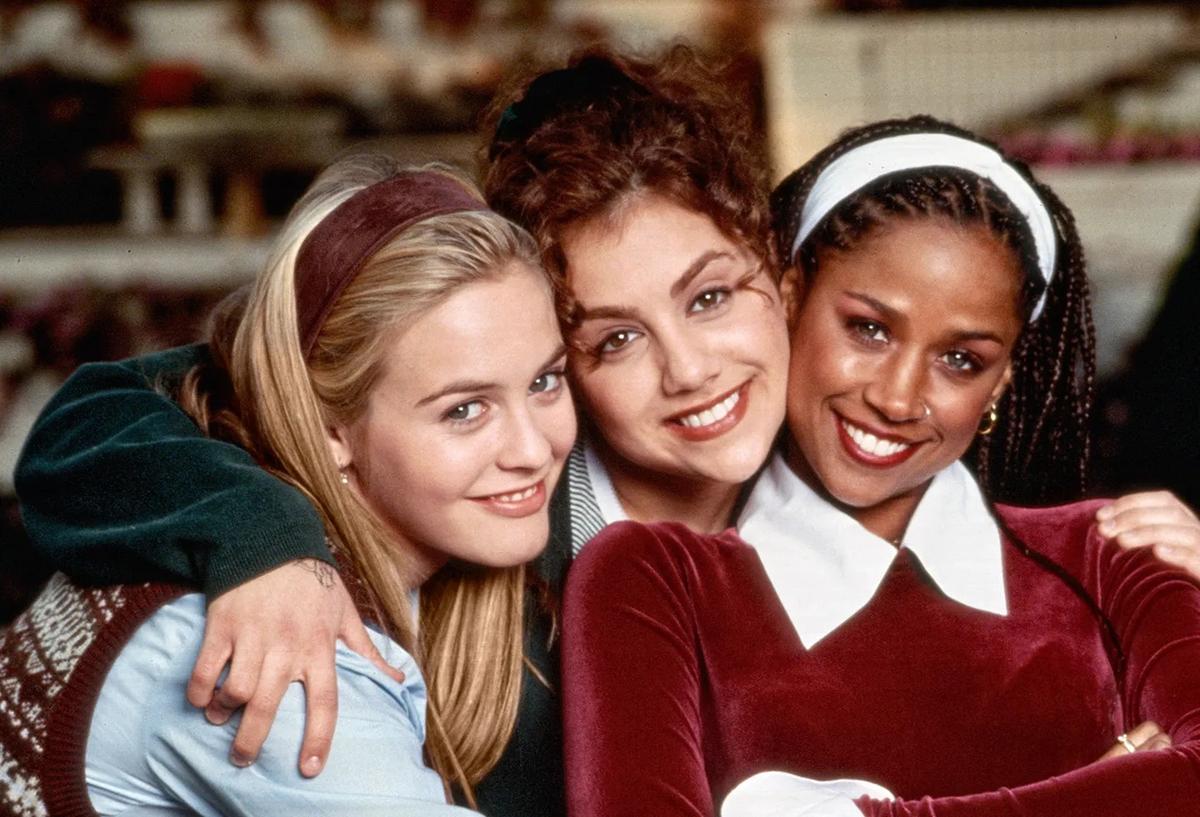
A still from Clueless (1995), also based on Emma.
But outside of his enjoyment of Clueless, and the BBC adaptation of Pride and Prejudice, starring Colin Firth and Jennifer Ehle, Rao is not particularly interested in what he calls ‘the Jane Austen industry’. “It focuses too much on the defanged, frothy romance and merchandise, and doesn’t really get into Austen’s acerbic wit, and her sharp observations of class, wealth and the position of women in society.”
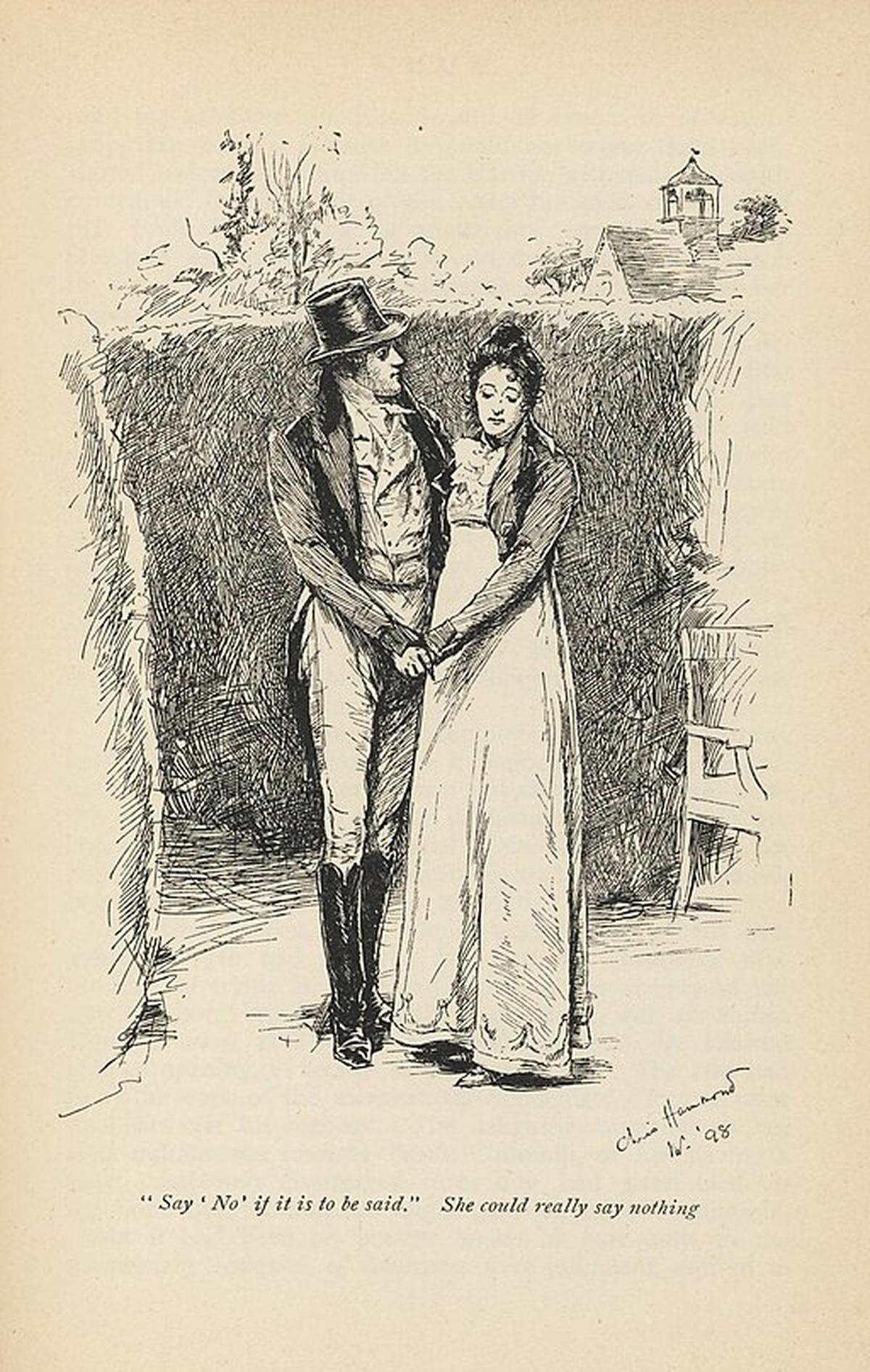
An illustration from an 1898 edition of Emma by Jane Austen.
| Photo Credit:
Wiki Commons
I ask Rao why he thinks Austen still ranks so highly with a certain group of South Asian readers today. “Because money, marriage and social mobility still resonate with us as a society. Marriage is very much the fulcrum of Indian society and there is no escaping it for many, across class, caste and religion. The idea that this is a huge impending thing in your life, is still relatable,” he shares.


“As you get older, you are more aware of discussions around class and opportunity, and you read Austen’s books differently. Scenes enjoyed freely on first reading, now make me wince.”Mahesh Rao Author
Our understanding of the world Austen brought to life becomes more nuanced over time. Radhika Viswanathan, an independent audio producer in Bengaluru, finds that Austen’s characters reveal themselves to the reader slowly over time. “I return to them regularly and find something new every time. As I age, I also identify with different characters, gleaning new understanding about why they behave the way they do,” she says.

Radhika Viswanathan, an audio producer in Bengaluru, says that Austen’s characters reveal themselves to the reader slowly over time.
“As you get older, you are more aware of discussions around class and opportunity, and you read the books differently,” Rao tells me. “Scenes enjoyed freely on first reading, now make me wince,” he says, and refers to the character of Harriet Smith in Emma. “She is of a lower social standing and that aspect is used to turn her into a figure of fun.” Rao also believes that the paternalistic and saviour attitude on display in Emma might have been forgiven then, but modern audiences are more primed to look at these things critically.
‘Like a potato’
For Aparna Kapur, author and editor of children’s books, the itch to re-read Austen appears every now and then. “You always get something new — nuance in a throwaway line, sharp dialogue or class commentary that you might have missed earlier,” she says. “Seeing humans through the eyes of Austen will never get old. It doesn’t matter if you understand the world or relate to the language, her sharp observation of people is what makes Austen’s writing so charming and timeless.” And perhaps that’s why we are willing to take Austen in whatever form we can get.
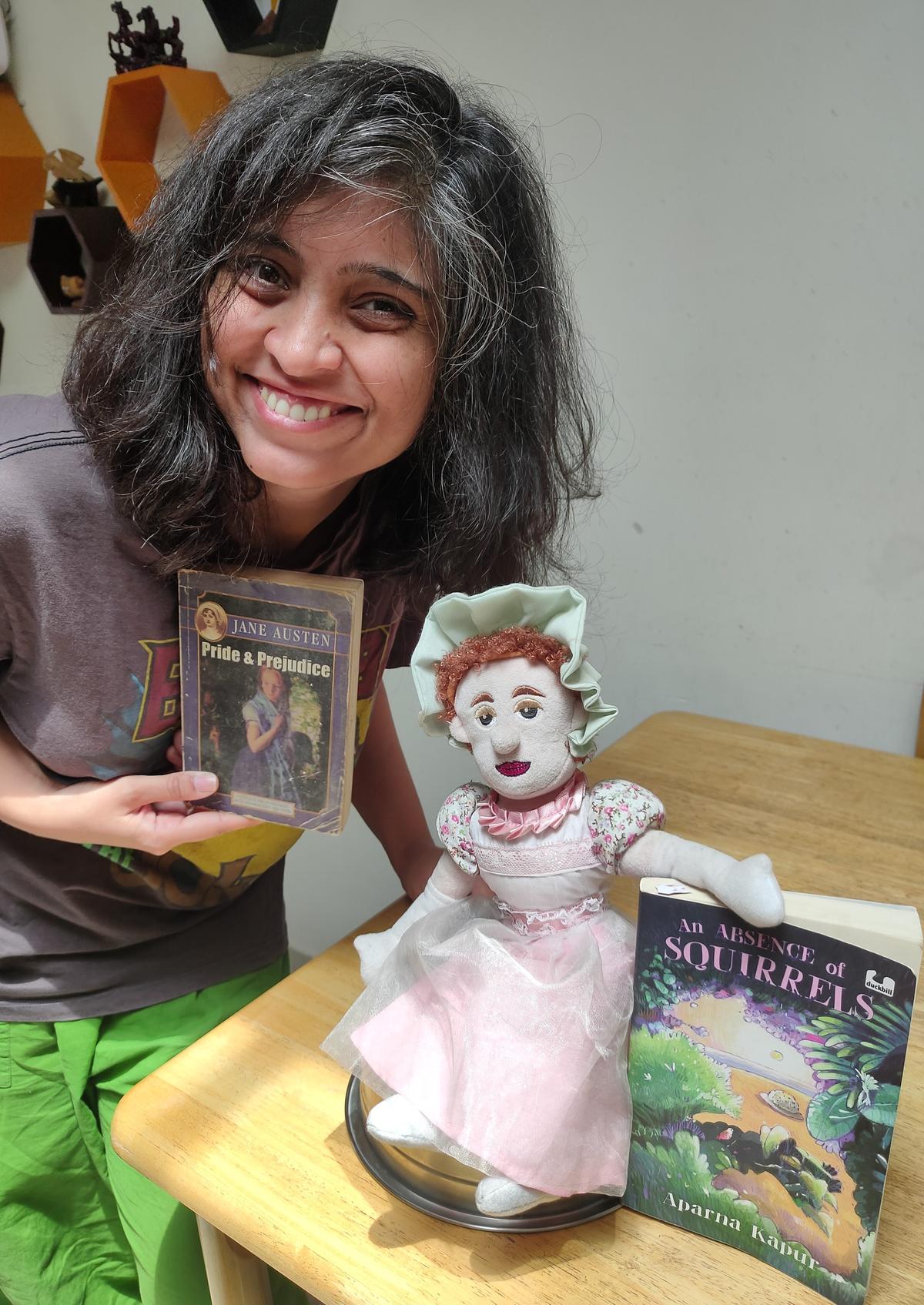
“Jane Austen’s like a potato. There are so many reinventions.”Aparna Kapur Author and editor of children’s books
We might not love all of them — the Fleabag-esque adaptation of Persuasion (2022) with Dakota Johnson and Gen Z lingo was largely panned — but we’re willing to give them a chance. Because we love Austen.
“She’s like a potato,” Kapur says. “There are so many reinventions.” And the spud continues to get cooked into new dishes.
There’s Apple TV’s Jane Austen Wrecked My Life and Audible has a new audio adaptation of Pride and Prejudice premiering in September, with Harris Dickinson — thirst trap du jour — astutely cast as Mr. Darcy. Netflix has announced a six-episode Pride and Prejudice mini series with a screenplay by author Dolly Alderton that will ‘remain faithful to the original story, but present it to an entirely new generation of viewers’.
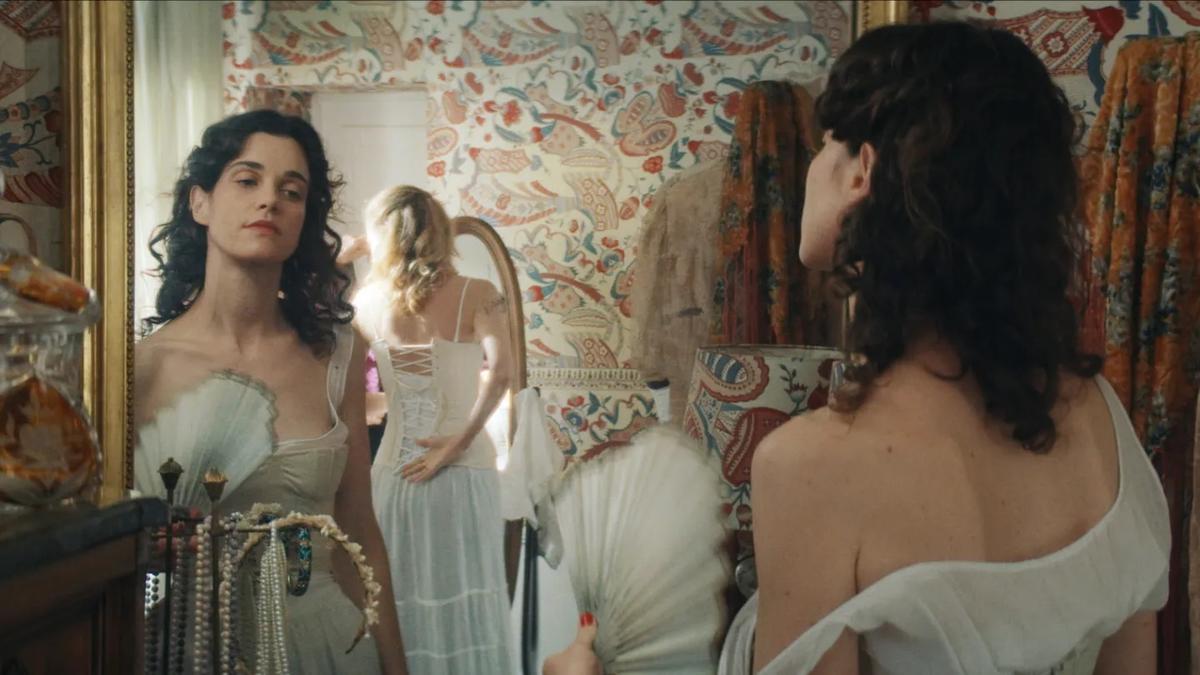
A still from Jane Austen Wrecked My Life (Jane Austen a gâché ma vie), a 2024 French romantic comedy film.
Is Gen Next interested?
Anushka Venu Kumar, a 17-year-old student in Bengaluru, first read Austen when she was 13, on the recommendation of Cosy Nook Library’s Manthri. I ask her what she thinks of arranged marriages and love as portrayed in Austen’s novels. “Her writing always includes a critique of marriage as a contract or economic proposition, which I think is just as relevant today as it was in her time,” she says, adding that the first time she read Pride and Prejudice, she was a little disappointed. “I felt like it was lacking in the kind of whirlwind romance that we usually see on Netflix, and I wasn’t too fond of Mr. Darcy.” She has since changed her perspective on the book.
With great maturity, Kumar says she believes that true love isn’t defined by flowers or cute notes, but rather respect, companionship, and the desire to be better for the other person. “I don’t think this resonates with the majority of my peer group. After all, we’re just teenagers and concepts like love and marriage can take lifetimes to figure out.”
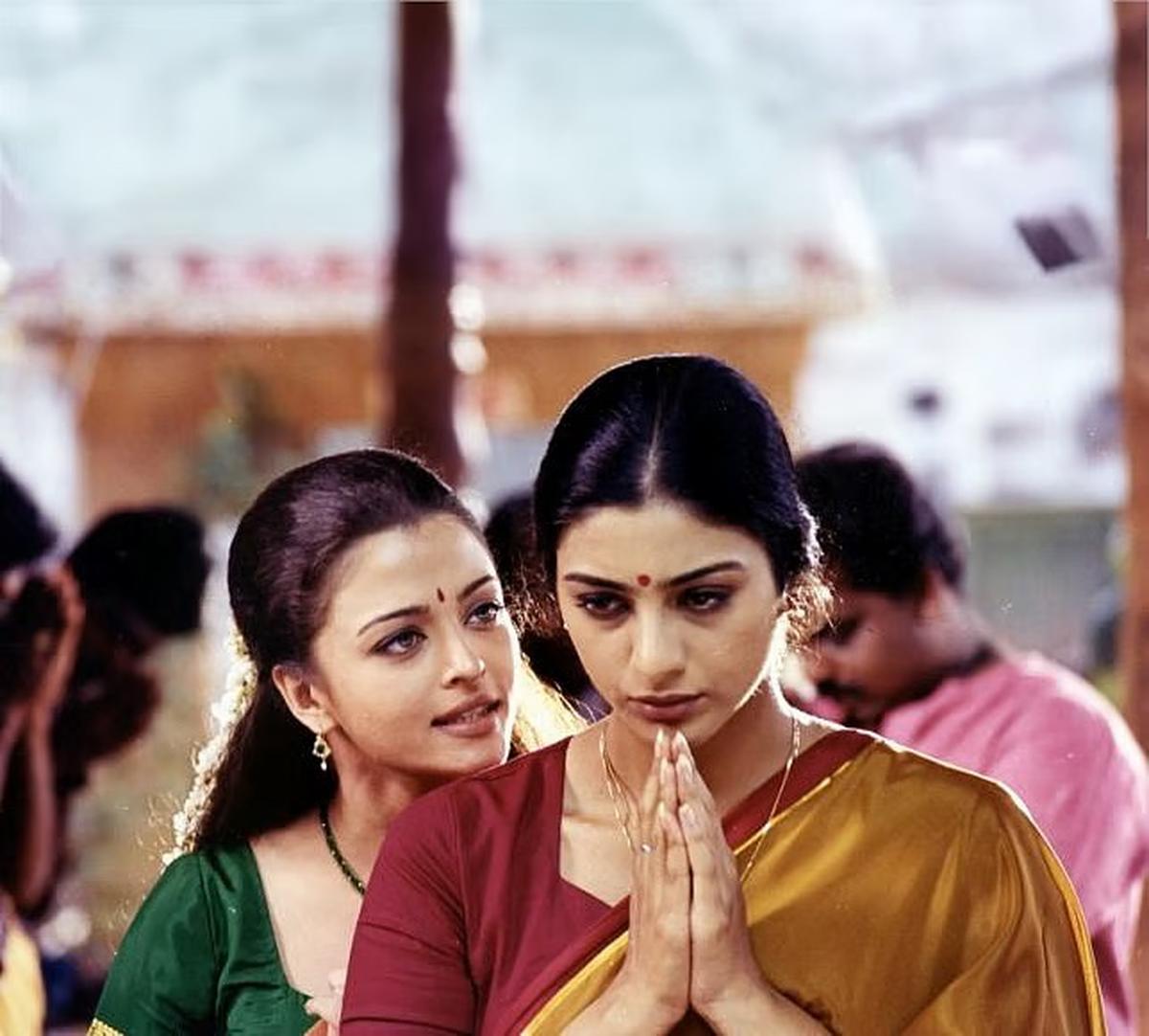
A still from director Rajiv Menon’s Kandukondain Kandukondain (2000), based on Jane Austen‘s Sense and Sensibility.
While making a ‘good marriage’ is at the crux of much of Austen’s writing, it is also very much about “how to survive as a woman with limited opportunities in a tough society”, says Rao. “As in Austen’s time, our society is complex and hierarchical, and we are constantly judged by this code and we judge others with it, too.”
Yes, the balls, the passionate declarations of love, and ‘the best letter in history’ — as Kapur awards Wentworth’s missive to Ann Elliot in Persuasion — are marvellous, but to only see these and not ‘her fangs’ does Austen a disservice. “You might come for the romance, but you return for the sparky, zinging language and sharp wit,” sums up Rao.
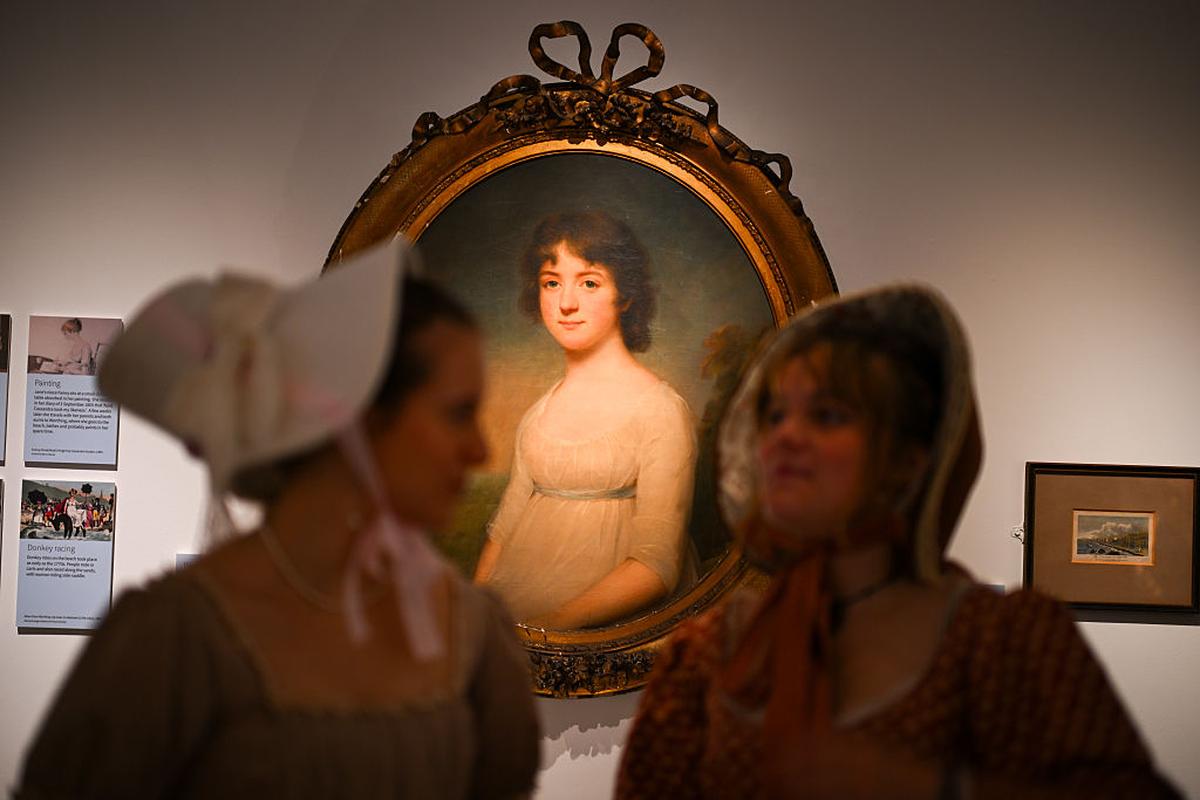
An exhibition dedicated to Jane Austen in Dorchester, England.
| Photo Credit:
Getty Images
As I nerdily immerse myself in all things Austen these past few weeks, I delight in the things I hadn’t known about her before: like how she was once engaged for all of one day, before calling it off. I even foolishly look for parallels in our lives.
But as a writer, this line from The Letters of Jane Austen, dated January 16, 1796, stays with me: “I am very much flattered by your commendation of my last letter, for I write only for fame, and without any view to pecuniary emolument.”
I wish I could tell her that 229 years later, writing is still not a vocation that offers financial stability. But boy, Jane, did you win the fame game. Your words have secured you the respect, deep love and admiration of many. Mine included.
The writer is a children’s book author and columnist based in Bengaluru.